


The Super Bowl halftime show began in the 1970s as a relatively modest, localized event compared to the spectacle it has become today. Back then, the NFL aimed to entertain the live audience at the stadium during halftime, rather than create a show for television viewers, which is now its primary focus.
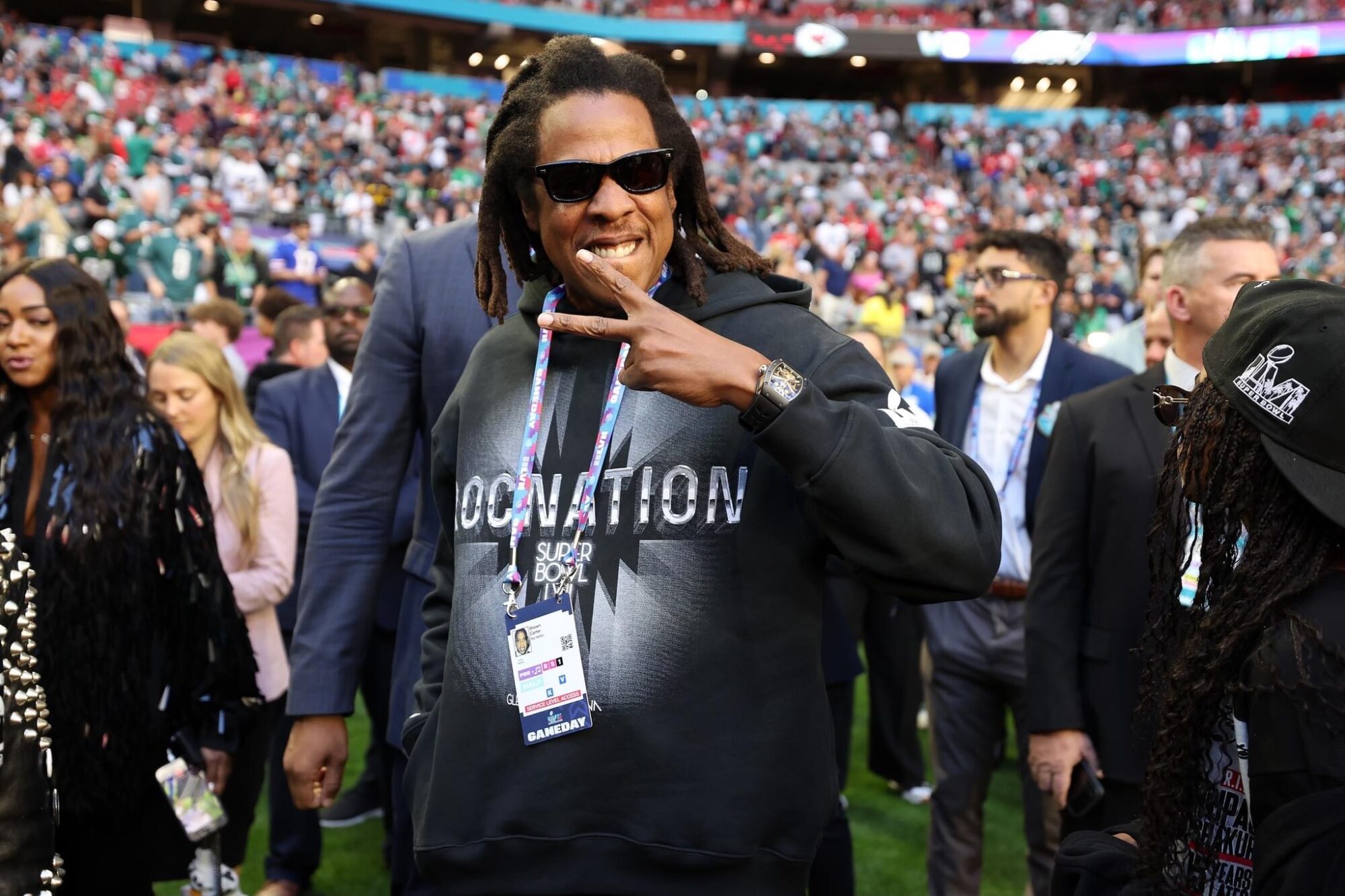
There is controversy and speculation surrounding the 2025 Super Bowl headliner, Kendrick Lamar, who was selected by Jay-Z and the NFL organizers at Roc Nation. Lamar has no ties to New Orleans, where the game will be held next year. Calls have been made by Master P, Boosie, Birdman, Nicki Minaj, and others to include Lil Wayne in the lineup or have him as the main headliner.
Master P, referencing Jay-Z in his Instagram post, highlights the significant role the hip-hop legend has played in reshaping the Super Bowl Halftime Show. Jay-Z, through his company Roc Nation, which is partially owned by Live Nation, took over the production of the halftime show after the NFL faced intense public backlash for blacklisting Colin Kaepernick. Kaepernick, a former NFL quarterback, became a symbol of protest against racial injustice when he began kneeling during the national anthem in 2016 to raise awareness about police brutality and systemic inequality.
In response to this controversy, the NFL partnered with Jay-Z and Roc Nation to manage the halftime show in 2019, aiming to better align the league with cultural movements and regain the trust of the public, particularly the African American community. Under Jay-Z’s leadership, the show has featured diverse and socially impactful performances, including acts like Dr. Dre’s 2022 performance, Rihanna in 2023 and Usher earlier this year that celebrated hip-hop culture.
This shift represents the NFL’s attempt to address the criticisms it received for its handling of Kaepernick’s protest and to show a more inclusive stance on social justice issues. Jay-Z’s involvement which for many marked a turning point for the halftime show, is now moving beyond just entertainment to also reflect cultural and political significance.
NFL team owner Robert Kraft reportedly told Jay-Z, “The NFL isn’t picking up on these social issues, We need your help.” The deal between Roc Nation and the NFL spans 5 years and $25 million dollars to revamp the league’s public image.
However, Minaj particularly is questioning Jay-Z’s judgment and leadership of the culture, considering the summer beef between Lamar and top selling rapper Drake, who was signed to Lil Wayne’s Young Money label.
Let’s take a look at the origins of the halftime show with all the major acts who have headlined in respective cities over the years to make it a prime time must se TV event.
How the Super Bowl Halftime Show Started:
In the early 1970s, halftime performances at Super Bowl games were primarily marching bands from local universities or high schools, as well as drill teams and cultural groups. The first Super Bowl halftime show (beginning with Super Bowl I in 1967) featured a performances by the University of Arizona’s symphonic marching band along with the Grambling State University Marching Band and celebrity guest trumpeter Al Hirt.

The idea of the halftime show at this point was rooted in the traditions of American football, where marching bands were a staple at college and high school games. The performances were relatively simple, with no major celebrities involved, and were designed mainly for the in-person attendees at the stadium.
Why the Halftime Show Began:
- Showcasing Local Talent: Many of the early halftime shows focused on showcasing local talent or themed performances that were relevant to the hosting city. For example, at Super Bowl VI in 1972, the performance featured jazz musicians like Al Hirt, who was from New Orleans, where the game was played.
- Experimenting with Theatrical Themes: By the mid-1970s, the NFL began experimenting with more elaborate halftime show themes and performances. For instance, Disney-style productions and Broadway-inspired shows became part of the spectacle. The show at Super Bowl XI (1977) was produced by Walt Disney Productions and had a theme based on “It’s a Small World.”
- Increased Television Viewership: As the popularity of the Super Bowl grew through the 1970s, the halftime show began evolving beyond just a break in the game. While it was still primarily focused on in-stadium entertainment, the growing television audience meant that the show was starting to gain attention beyond just football fans. This set the stage for the larger, more commercially driven productions that would come in the 1980s and 1990s.
Evolution into the 1980s and Beyond:
The turning point for the Super Bowl halftime show came in the 1980s when the NFL started to see the potential of using the show as a television spectacle, rather than just a live stadium experience. Shows began incorporating more pop culture elements, and Up with People, a musical performance group, was featured multiple times during the 1970s and early 1980s to add a broader entertainment appeal.
By the 1990s, the halftime show underwent a transformation with the inclusion of superstar performers like Michael Jackson (1993), which marked the beginning of the halftime show as we know it today: a major cultural event aimed at television audiences with millions of viewers globally.
Here is a list of every major artist to headline the Super Bowl halftime show, along with the year and city where the performance took place:
1970s:
- 1970: Carol Channing – New Orleans, LA (Super Bowl IV)
- 1971: Southern University Marching Band – Miami, FL (Super Bowl V)
- 1972: Ella Fitzgerald, Carol Channing, Al Hirt, US Marine Corps Drill Team – New Orleans, LA (Super Bowl VI)
- 1973: University of Michigan Marching Band – Los Angeles, CA (Super Bowl VII)
- 1974: University of Texas Longhorn Band – Houston, TX (Super Bowl VIII)
- 1975: Mercer Ellington and Grambling State University Marching Bands – New Orleans, LA (Super Bowl IX)
- 1976: Up with People – Miami, FL (Super Bowl X)
- 1977: Walt Disney Productions with “It’s a Small World” theme – Pasadena, CA (Super Bowl XI)
- 1978: Tyler Apache Belles, Grambling State University Marching Band – New Orleans, LA (Super Bowl XII)
- 1979: Caribbean Carnival with Ken Hamilton – Miami, FL (Super Bowl XIII)
1980s:
- 1980: Up with People – Pasadena, CA (Super Bowl XIV)
- 1981: Southern University Marching Band and Helen O’Connell – New Orleans, LA (Super Bowl XV)
- 1982: Up with People – Pontiac, MI (Super Bowl XVI)
- 1983: Los Angeles Super Drill Team – Pasadena, CA (Super Bowl XVII)
- 1984: University of Florida and Florida State University Bands – Tampa, FL (Super Bowl XVIII)
- 1985: Tops In Blue – Stanford, CA (Super Bowl XIX)
- 1986: Up with People – New Orleans, LA (Super Bowl XX)
- 1987: George Burns, Mickey Rooney, Grambling State University Band – Pasadena, CA (Super Bowl XXI)
- 1988: Chubby Checker and The Rockettes – San Diego, CA (Super Bowl XXII)
- 1989: Elvis Presto (3-D magic show) – Miami, FL (Super Bowl XXIII)
1990s:
- 1990: Pete Fountain, Doug Kershaw, Irma Thomas – New Orleans, LA (Super Bowl XXIV)
- 1991: New Kids on the Block – Tampa, FL (Super Bowl XXV)
- 1992: Gloria Estefan and Brian Boitano – Minneapolis, MN (Super Bowl XXVI)
- 1993: Michael Jackson – Pasadena, CA (Super Bowl XXVII)
- 1994: Clint Black, Tanya Tucker, Travis Tritt, The Judds – Atlanta, GA (Super Bowl XXVIII)
- 1995: Patti LaBelle, Tony Bennett, Teddy Pendergrass – Miami, FL (Super Bowl XXIX)
- 1996: Diana Ross – Tempe, AZ (Super Bowl XXX)
- 1997: The Blues Brothers, ZZ Top, James Brown – New Orleans, LA (Super Bowl XXXI)
- 1998: Boyz II Men, Smokey Robinson, Martha Reeves – San Diego, CA (Super Bowl XXXII)
- 1999: Gloria Estefan, Stevie Wonder, Big Bad Voodoo Daddy – Miami, FL (Super Bowl XXXIII)
2000s:
- 2000: Phil Collins, Christina Aguilera, Enrique Iglesias – Atlanta, GA (Super Bowl XXXIV)
- 2001: Aerosmith, NSYNC, Britney Spears, Mary J. Blige – Tampa, FL (Super Bowl XXXV)
- 2002: U2 – New Orleans, LA (Super Bowl XXXVI)
- 2003: Shania Twain, No Doubt (performance with Bounty Killer), Sting – San Diego, CA (Super Bowl XXXVII)
- 2004: Janet Jackson, Justin Timberlake, P. Diddy, Nelly, Kid Rock – Houston, TX (Super Bowl XXXVIII)
- 2005: Paul McCartney – Jacksonville, FL (Super Bowl XXXIX)
- 2006: The Rolling Stones – Detroit, MI (Super Bowl XL)
- 2007: Prince – Miami, FL (Super Bowl XLI)
- 2008: Tom Petty and the Heartbreakers – Glendale, AZ (Super Bowl XLII)
- 2009: Bruce Springsteen and the E Street Band – Tampa, FL (Super Bowl XLIII)
2010s:
- 2010: The Who – Miami, FL (Super Bowl XLIV)
- 2011: The Black Eyed Peas, Usher, Slash – Arlington, TX (Super Bowl XLV)
- 2012: Madonna, LMFAO, Nicki Minaj, CeeLo Green – Indianapolis, IN (Super Bowl XLVI)
- 2013: Beyoncé, Destiny’s Child – New Orleans, LA (Super Bowl XLVII)
- 2014: Bruno Mars, Red Hot Chili Peppers – East Rutherford, NJ (Super Bowl XLVIII)
- 2015: Katy Perry, Lenny Kravitz, Missy Elliott – Glendale, AZ (Super Bowl XLIX)
- 2016: Coldplay, Beyoncé, Bruno Mars – Santa Clara, CA (Super Bowl 50)
- 2017: Lady Gaga – Houston, TX (Super Bowl LI)
- 2018: Justin Timberlake – Minneapolis, MN (Super Bowl LII)
- 2019: Maroon 5, Travis Scott, Big Boi – Atlanta, GA (Super Bowl LIII)
2020s:
- 2020: Shakira, Jennifer Lopez – Miami, FL (Super Bowl LIV)
- 2021: The Weeknd – Tampa, FL (Super Bowl LV)
- 2022: Dr. Dre, Snoop Dogg, Eminem, Mary J. Blige, Kendrick Lamar, 50 Cent – Inglewood, CA (Super Bowl LVI)
- 2023: Rihanna – Glendale, AZ (Super Bowl LVII)
- 2024: Usher – Allegiant Stadium in Las Vegas, NV on Feb. 11 (Super Bowl LVIII)
- 2025: Kendrick Lamar – New Orleans, LA (Super Bowl LVIX)

