
- Phil Watkis, Jamaican reggae artist and producer, talks about how the reggae scene has changed over the years, and how the music has evolved.
- Watkis explains how a demo was released and may have found its way in the hands of dancehall newcomer Valiant.
- According to Watkis, the younger generation of reggae artists are more influenced by hip-hop and are incorporating more rapping into their music, but not keen on retaining the traditional elements of reggae.
Jamaican Reggae singer Phil Watkis says dancehall newcomer Valiant jacked his style when he recorded the controversial Rasta song.
Phil, who now lives in Florida is a songwriter, guitarist and performer and details the making of his unreleased song “Rasta Touch.”

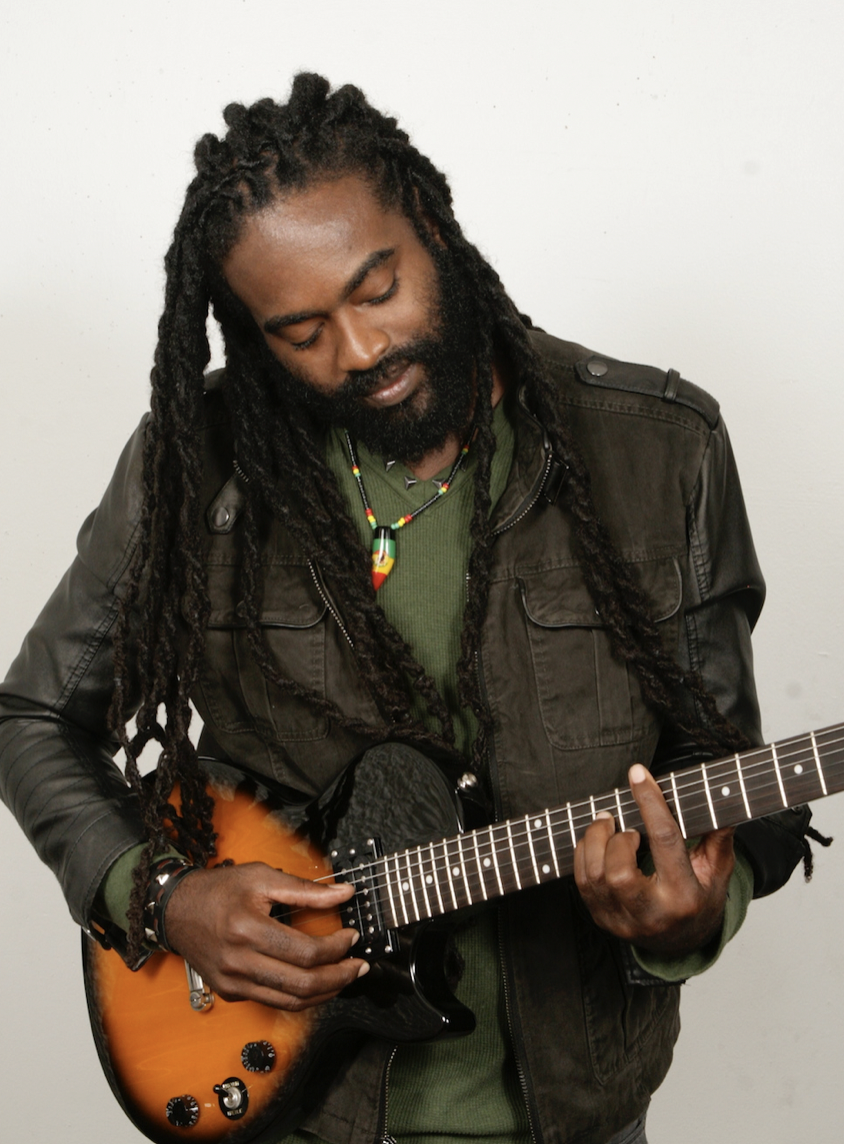
“2018 I was on tour in Europe, when I opened for Tarrus Riley and on that tour I got a riddim from a bredrin and in listening to the beat the first thing came to me was “Rasta Touch,” he sings.
Phil Watkis
The Excelsior Community College graduate says a demo of the song he was released on what status using people if the song is worth recording. He says the phrasing he used in his song is the same one used with a speed up tempo on Valiant’s song “Rasta.”
“Man a live like Rasta no beef no pasta, rasta nuh lef dem bittaz, coulda be a slimmaz, or thickaz or biggaz,” he freestyles for WMV.
The Kingcham directed music video for Valiant’s No. 1 song Rasta has surpassed 3.5 million views on YouTube. Still Phil says although his “Rasta Touch” was ‘first’ he has no hard feelings for Valiant and sees the alleged copy more as an opportunity for both songs to flourish.

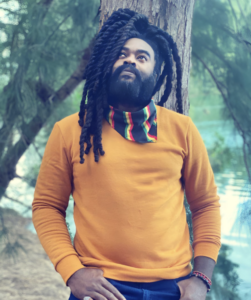
“Big up Valiant, a me artist, mi nuh business him a talk bout dunce check or nuttn, the youth have talent and me love him melodies, him actually come and spruce up dancehall for a minute, him actually bring a vibe and me really love the artist and in the event my song gets more popular it has something to juggle with,” the St. Ann native says.
The Easy singer says while reggae artists like Sizzla and Capleton recorded songs on hip hop beats in the past, they would keep their identity in tact but the new acts in reggae are moving away from the genre. “Musically, the youth them creative, them have a vibe. I love Chronixx music, him have soul, but the other one them sound more Hip Hop to me, like Kabaka and Protoje,” he says.
As for the evolution of Jamaican music, the seasoned performer says, “I always say this to people, coming from the ska era, then the rocksteady, then the root reggae, then dancehall type reggae, I can imagine how those people felt when it moved form Mento to Ska, and from Ska to reggae they must have wondered what are they doing?”
“I remember as a tiny boy how my grandmother used to say this is garbage and it keeps on evolving and people learn to appreciate it as time goes by but my only problem is the narrative of the message, the killing and gruesomeness in the music is like watching a scary movie,” he continued.
Watch the full interview with Phil Watkis on WMV YouTube here.