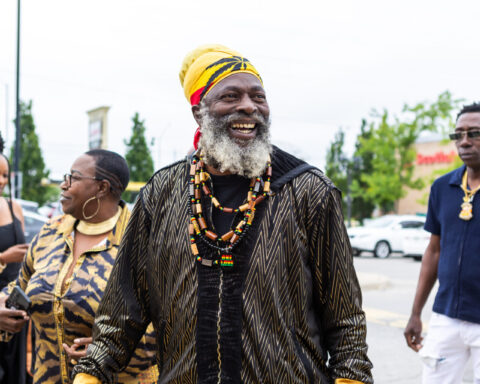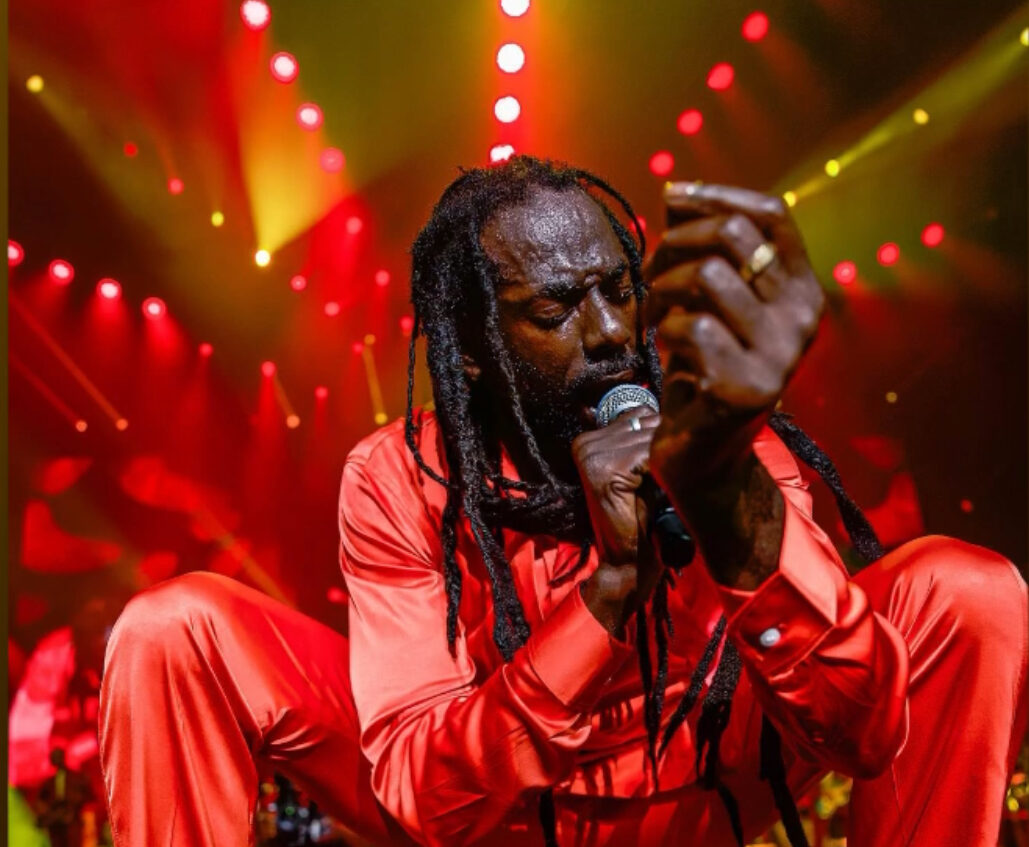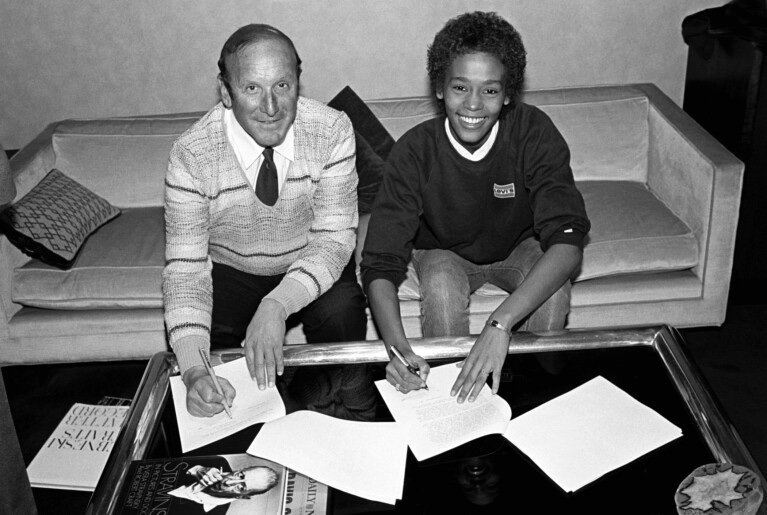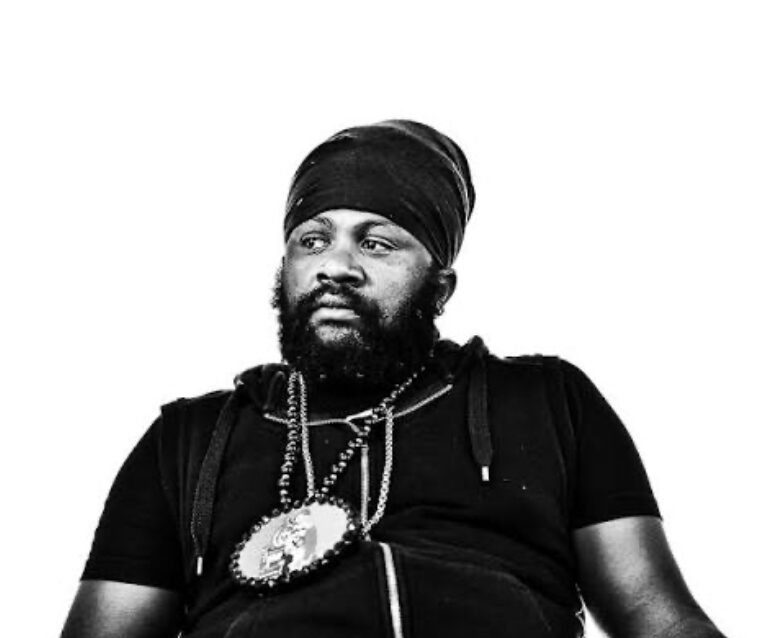
Owen Lennox Moncrieffe, better known to the world as Fantan Mojah is dead.
The Jamaican artist died on Tuesday at the age of 49 after reportedly suffering complications related to heart disease according to reports in the Jamaican Observer.
Fantan Mojah reportedly passed away at the University Hospital of the West Indies in Kingston after his health deteriorated in recent days.
Born on August 5, 1976, in White Hill, St. Elizabeth, Fantan Mojah’s path to reggae stardom was anything but conventional. Before commanding festival stages across Europe and the Caribbean, he earned a living washing windows and performing wherever opportunities arose. His earliest musical ambitions saw him competing in local talent contests under the stage name Mad Killer while working with the legendary Kilamanjaro sound system.
His life changed dramatically after meeting producer Joe Bogdanovich of Downsound Productions. Bogdanovich would later recall their chance encounter, describing the young Moncrieffe as a window washer whose extraordinary talent became immediately apparent. That meeting would launch one of reggae’s most compelling new voices.
After making his recording debut in 1997 with When I Rise, produced by Tristan Palmer, Fantan steadily built a reputation as one of the leading figures in roots reggae’s revival. His breakthrough came with the release of Hail the King in 2005, an album that introduced audiences to a singer whose soaring tenor carried messages of faith, resilience, and resistance. Tracks including Hail the King, Corruption, and Nuh Build Great Man established him as one of the genre’s defining artists of the decade.
His success extended well beyond Jamaica. The popularity of Hail the King opened the doors to extensive European touring, where audiences embraced his unapologetically conscious lyrics and commanding stage presence. Later albums, including Stronger (2008), Rebel I Am (2012), and Rasta Got Soul (2016), reinforced his standing among reggae’s most respected contemporary performers.
Unlike many of his contemporaries, Fantan Mojah built his catalogue around spiritual reflection rather than commercial trends. However in the years leading up to his death he dabbled in more salacious music. A member of the Bobo Ashanti branch of Rastafari, his music consistently celebrated devotion to Jah, uplifted women, encouraged moral living, and challenged corruption and injustice. Songs such as Rasta Got Soul became enduring anthems for listeners seeking reggae rooted in faith and cultural consciousness.